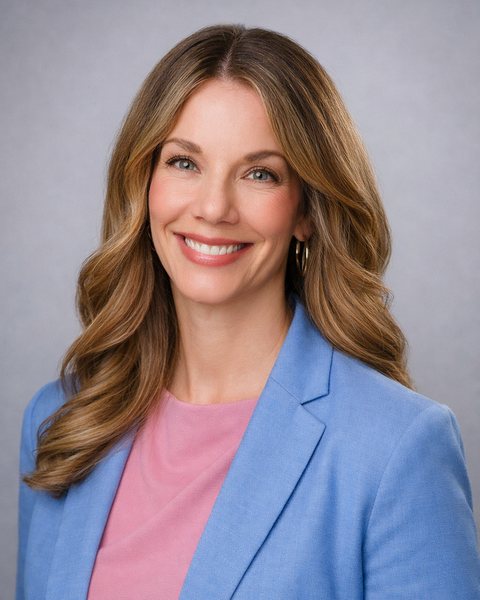
Amanda Swerdlow
I taught elementary school in DeKalb County for 11 years, led literacy strategy across more than 20 schools, then moved into program evaluation at Fulton County Schools and finished as Director of Research, Evaluation, and Accountability. Because I started in the classroom, my evaluation work stays grounded in how schools and classrooms operate. From 2022 to 2024 I was a Strategic Data Project Fellow at Harvard’s Center for Education Policy Research.
Where it started
In a reading conference, one of my second graders told me he hated reading because he didn’t feel good when he read. Our district’s unit assessments had him just barely at grade level, so he wasn’t on the list for intervention. I asked about the topics he liked, and the next day I brought him titles from our classroom and school libraries. He started reading regularly, and by the end of the year he had read every book by the author I first suggested. If a reader said no to every title, I kept looking until I found one that got them reading. I didn’t know it then, but I was collecting qualitative data. Now I help teams do the same: find out what the required numbers miss, and go get it.

What colleagues say
Amanda was the first to request a research-based evaluation of an operational department … the first I had ever witnessed from a program evaluation unit.
One of the most strategic, visionary, and dedicated individuals I have had the opportunity to partner with.
Selected results
- Rebuilt a district evaluation portfolio serving 100+ schools.
- First in the district to apply program evaluation methods to an operational department.
- Moved practice and outcomes on a districtwide literacy initiative.
When teams call me
-
A program has run for a year or two, and nobody can say whether it is working.
-
You need to decide whether to fund, renew or cut a program, and the evidence in hand doesn’t settle it.
-
A state or funder requires reporting, and you want the same data to answer your own questions.
-
You are choosing instructional materials, or teachers are not using the ones you adopted the way you planned.
-
You need to hear from teachers, principals, or families and turn what they say into recommendations leaders can act on.
-
You need an honest picture of where things stand, such as how teams work together or where communication breaks down.
-
Your team has improvement cycles or PLCs on the calendar and cannot yet tell whether they are changing instruction.
Ways to work together, from a free 15-minute discovery call to a yearlong partnership.
See ways to work togetherFrom the resources
Not sure where to start?
Find your toolReach out when a decision is coming and you want a clear picture first.
Send a short note about the program or question and the decision you are facing.
I read every note myself and reply within the week.